The Arc - Anesthesiology Alumni Newsletter

Standing on the Shoulders of Giants

An Alumni Evening of Reconnection, Reflection, and Continued Innovation

Traditional is not in Stanford Anesthesiology’s vocabulary. If you didn’t know better, you could have easily mistaken the Alumni Dinner hosted last September for a symposium on cutting-edge advances shaping the field. The Department invited alumni back to the Stanford Faculty Club not only to reconnect, but to witness the latest discoveries and innovations made possible by the work they began decades earlier.

More than one hundred alumni and faculty gathered at the Faculty Club for a boundary-breaking night of reconnection interwoven with short films and TED-style talks highlighting discoveries that are reshaping anesthesiology. Each story traced today’s breakthroughs back to the mentorship, research, and intellectual curiosity fostered decades earlier by alumni—many of whom were seated in the audience. 

The evening began with a surprise crossover event. The singer on the patio introduced himself as current faculty member Dr. Patrick Purdon before he performed a custom jazz duo arrangement of "Pure Imagination" inspired by the history of the field, as alumni mingled outside sipping full-bodied wine ahead of the program. 

Guests were then invited inside to view films by Emmy-nominated filmmaker Josh Izenberg highlighting pioneering discoveries transforming the future of anesthesiology, followed by presentations highlighting the ideas and people who made those breakthroughs possible.

Alumni traveled from across the country—and around the world—to reconnect with their colleagues and mentors.

Alumnus Dr. Masahiko Fujinaga made the journey from Japan to attend and reunited with one of his mentors.

“It is one of the most meaningful events of my life to have met with Dr. Richard Mazze at Stanford,” he said. “He is the greatest mentor in my life.” 
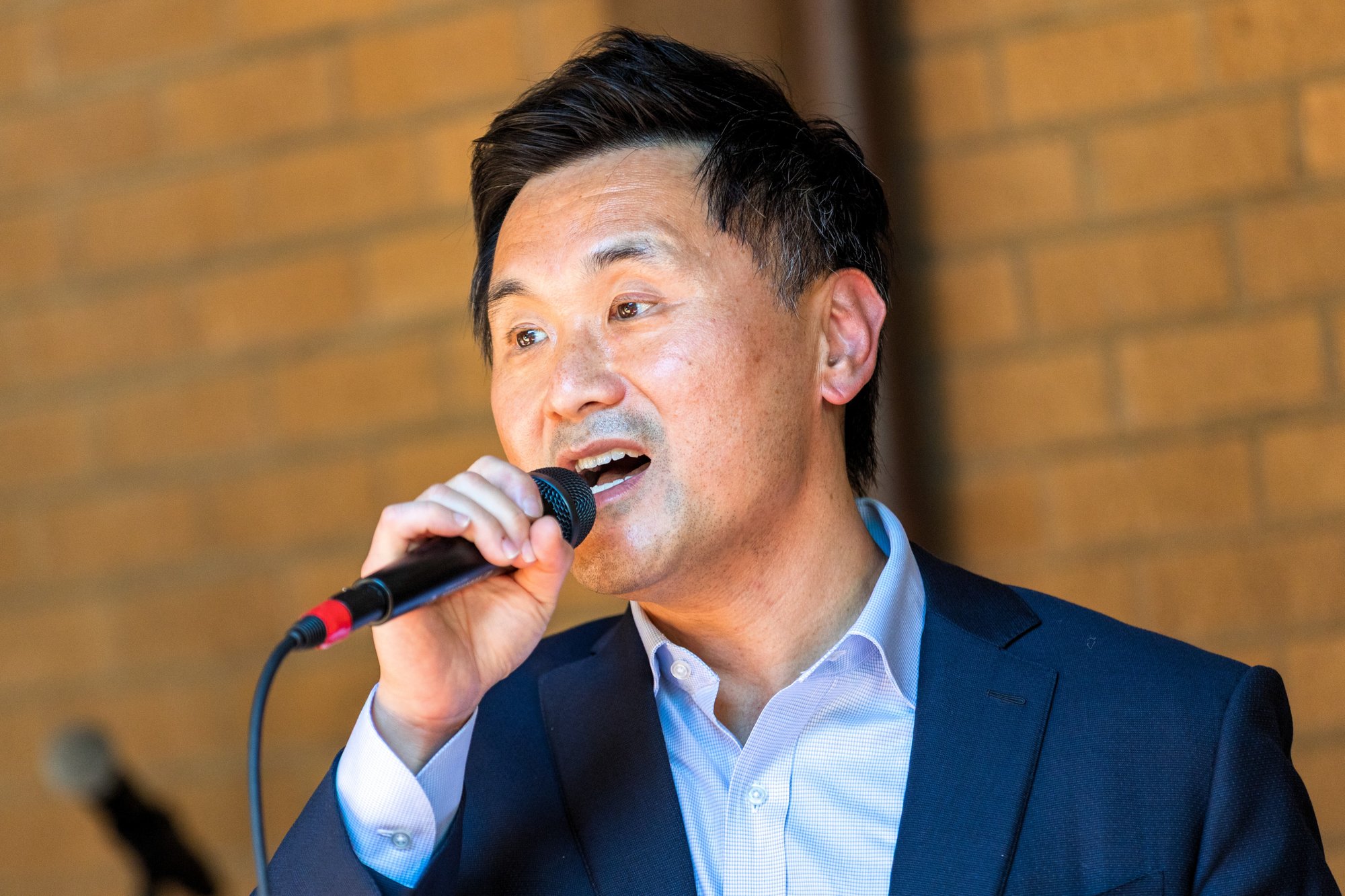
Dr. Patrick Purdon

 Faculty member Dr. Patrick Purdon. Photo by Rhee Bevere. 

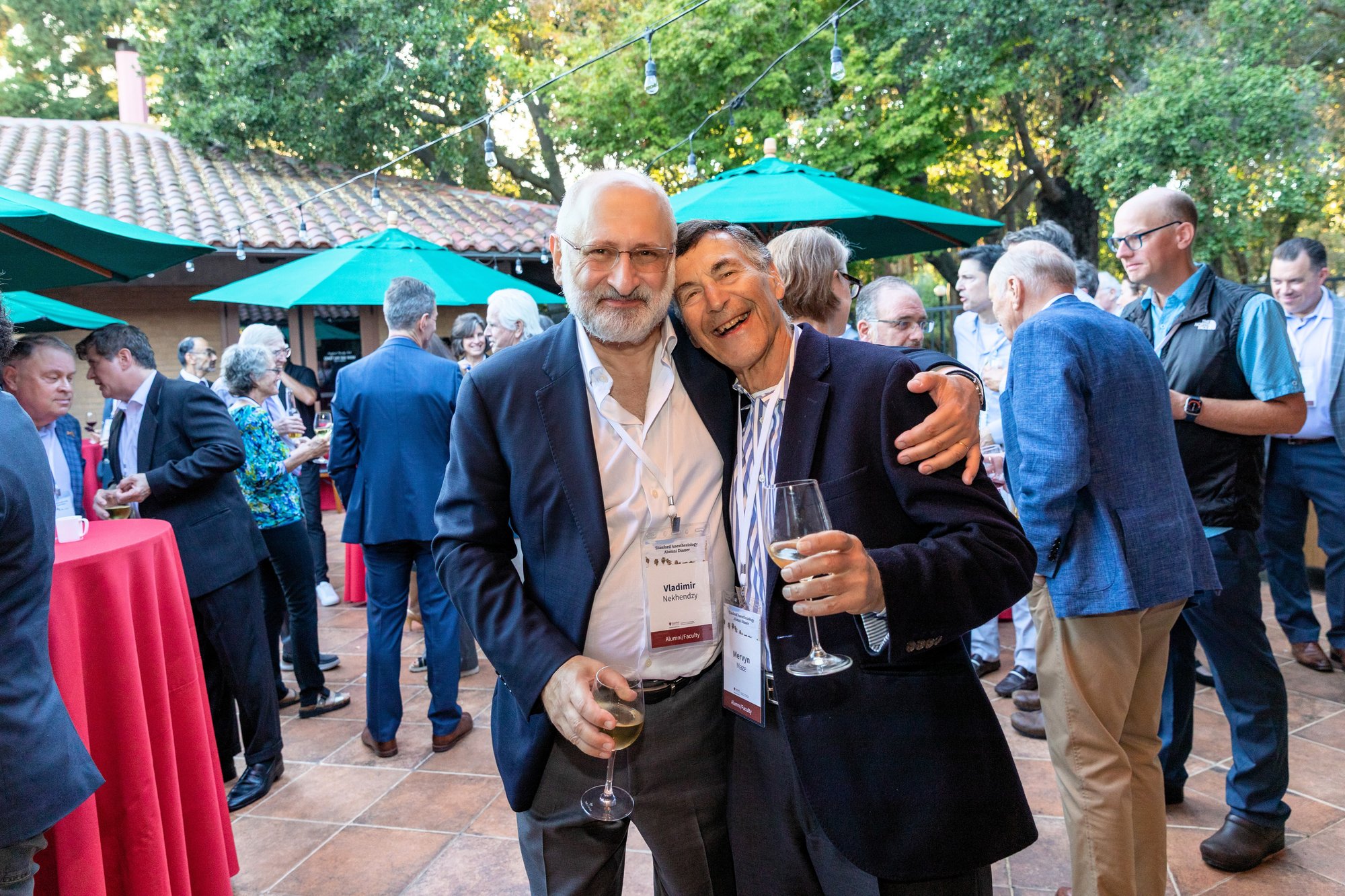
Stanford Alumni Dr. Vladimir Nekhendzy and Dr. Mervyn Maze

Faculty member Dr. Vladimir Nekhendzy and alumnus Dr. Mervyn Maze. Photo by Rhee Bevere.

Event Leadership

From left: Faculty members Dr. Martin Angst, Dr. Tom Caruso, and Dr. Jennifer Rabbitts; Alumni Association President and emeritus faculty member Dr. John Brock-Utne; and faculty members Dr. Patrick Purdon and Dr. Nima Aghaeepour. Photo by Rhee Bevere.

From left: Faculty member Dr. David Stahl; emeriti faculty members Dr. Jay Brodsky and Dr. Donald Stanski; and faculty member Dr. Brendan Carvalho. Photo by Rhee Bevere.

Uncovering Consciousness

Dr. Purdon put down one microphone to pick up another on stage inside, this time to share his journey uncovering the mystery of consciousness using EEG measurements during fMRIs. 

While speaking, he saw Dr. James Scott and Dr. Donald Stanski—authors of an important early paper on the EEG signature of opioids—seated in the audience. “We are standing on the shoulders of giants,” Dr. Purdon said, pointing them out while guests at the round tables applauded the two pioneers. 

Pain Recovery Innovation

If anesthesia raises profound questions about consciousness in the operating room, recovery after surgery presents another complex challenge: how patients—especially children—experience and manage pain.

Dr. Jennifer Rabbitts was reassured that children are resilient following surgery, but her research painted a different picture showing many children developing persistent chronic pain. Recognizing a critical gap in the literature, she embarked on research to improve post-surgery pain and help teenagers to not only survive but thrive, all with the help of an app she co-created and trialed with hundreds of patients with promising results that indicated significant quality of life improvement.

Dr. Patrick Purdon
Faculty member Dr. Patrick Purdon. Photo by Rhee Bevere. 
Purdon film screenshot 2
A still picture from Josh Izenberg's film about Dr. Purdon's work.
Rabbitts
 Faculty member Dr. Jennifer Rabbitts. Photo by Rhee Bevere.  
Rabbitts film still 1
 A still picture from Josh Izenberg's film about Dr. Rabbitts' work. 

Before Illness Strikes

The evening’s stories revealed that innovation in anesthesiology does not move in a single direction. Some discoveries improve life after surgery; others aim to predict and prevent critical illness altogether. 

Dr. Aghaeepour
Faculty member Dr. Nima Aghaeepour. Photo by Rhee Bevere. 
Neema still 2
A still picture from Josh Izenberg's film about Dr. Aghaeepour's work.
Tom Caruso
Faculty member Dr. Tom Caruso. Photo by Rhee Bevere.  
Caruso film still
A still picture from Josh Izenberg's film about Dr. Caruso's work. 

As a child, Dr. Nima Aghaeepour dreamed of flying. Today he channels that same sense of exploration into building predictive AI models that can anticipate illness before it becomes critical. His work now translates into wearable technologies capable of monitoring patients in real time, enabling them to return home to their lives sooner. 

During his talk, he shared he had received an unexpected call just minutes before the program began with the news that his wearable technology had been approved for use in hospitals, which will free up critical ICU beds and expand access to care far beyond the hospital walls.

Transforming Fear

Not all innovation begins with complex algorithms or brain scans though. 

Sometimes it begins with a simple question: how can we make medicine less scary, particularly for children?

For children facing surgery, fear can sometimes be as powerful as pain.

Dr. Tom Caruso has spent years reimagining how technology might transform that experience. What began as a homemade virtual reality prototype in his garage has evolved into a nonprofit described by one medical student as an “Avengers lab” with immersive tools that reduce anxiety for pediatric patients. Their technology can also train nurse anesthetists around the world—particularly in regions where access to traditional simulation resources is limited, advancing health equity.  

A Legacy That Lives On

The short films and talks left a lasting impression on those in attendance.

“The short presentations by the young faculty researchers blew me away,” said alumna Dr. Lisa Saunders. “I left feeling tremendously proud to be associated with the organization.”

Interdisciplinary is not simply an aspirational label at Stanford Anesthesiology—it is the department’s driving ethos. The stories shared throughout the evening revealed what can happen when faculty and clinicians are encouraged to ask bold questions and follow them beyond bureaucratic or disciplinary boundaries. 

Beyond the discoveries themselves, the evening offered something equally meaningful: the chance to reconnect across decades of Stanford anesthesiologists.

“It was truly a heartfelt joy to chat with my colleagues and especially my mentors,” alumnus Dr. Ed Baer shared.

For the alumni gathered at the Faculty Club, the evening showcased how fully their own work continues to ripple forward. The discoveries shaping the future of anesthesiology are not isolated breakthroughs, but part of a lineage built across generations of Stanford physicians and scientists.

In a department that values such freedom of thought and scientific exploration, the possibilities are limitless. And the next chapter of discovery is already underway. 

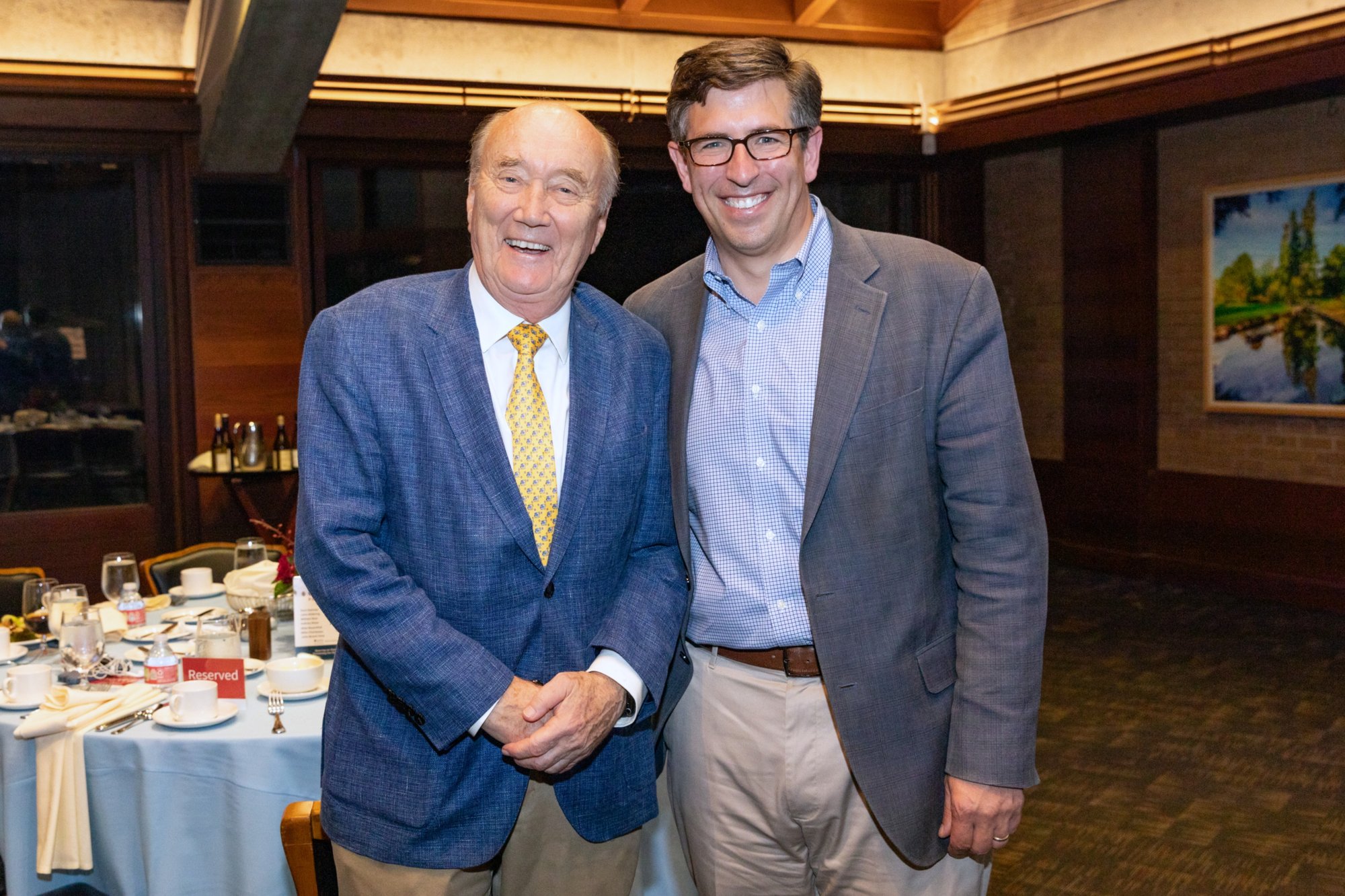
Dr. Brock-Utne and Dr. Bateman

Alumni Association President and emeritus faculty member Dr. John Brock-Utne and Chair of the Department of Anesthesiology Dr. Brian Bateman. Photo by Rhee Bevere.